If you’ve started searching for Bichon Frise breeders in Ontario, you’ve probably noticed how many options show up — and how different they all seem to be. Some breeders list puppies like inventory. Others barely have a website at all. So how do you actually tell a responsible breeder apart from someone just looking to make a quick sale? Here’s what to look for, and why it matters, eh.
What Makes the Bichon Frise Such a Great Fit
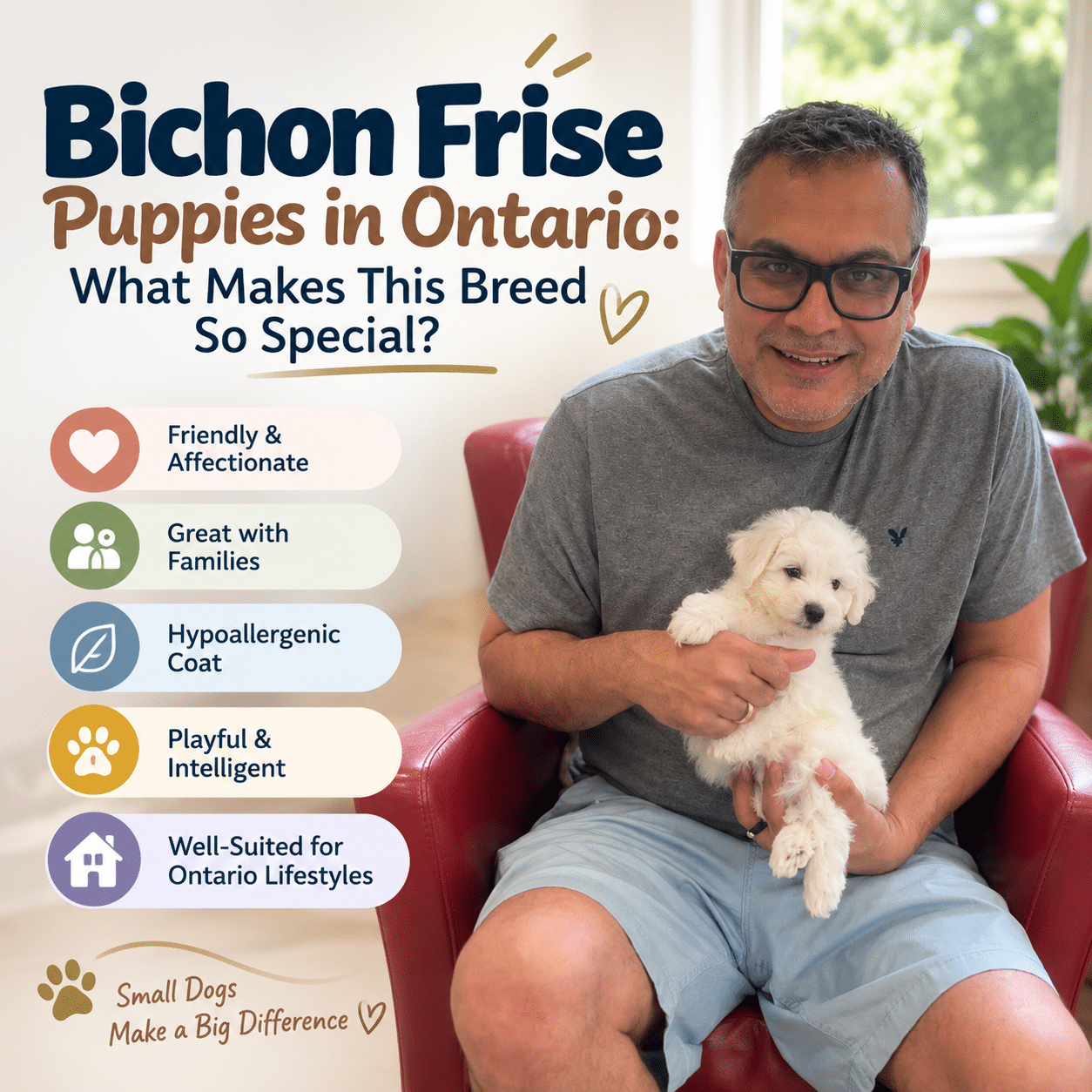
Before diving into the breeder search, it helps to understand what you’re actually looking for in the breed itself. Bichon Frises are known for their cheerful, playful demeanour and their fluffy white coats — but there’s more to them than looks. Originally bred as companion dogs, they’re affectionate and sociable, doing equally well with families, couples, or individuals living alone.
One of the biggest draws for Ontario families, especially through our long winters and allergy season, is that Bichons are hypoallergenic. That makes them a solid choice for households with allergy sufferers who still want a dog that’s genuinely part of the family, not just tolerated from a distance.
Red Flags to Watch For
Not every listing calling itself a “breeder” is actually operating responsibly. A few warning signs worth taking seriously:
- No willingness to let you visit — if a breeder won’t let you see where the puppies are raised, that’s a problem, full stop.
- No health testing information — if they can’t answer questions about the parent dogs’ health screening, keep looking.
- Multiple breeds and constant litters available — a kennel that always seems to have puppies of every breed ready to go is often prioritizing volume over wellbeing.
- Pressure to decide quickly — a legitimate breeder wants the right home for their puppy, not just any home fast.
What Responsible Breeding Actually Looks Like
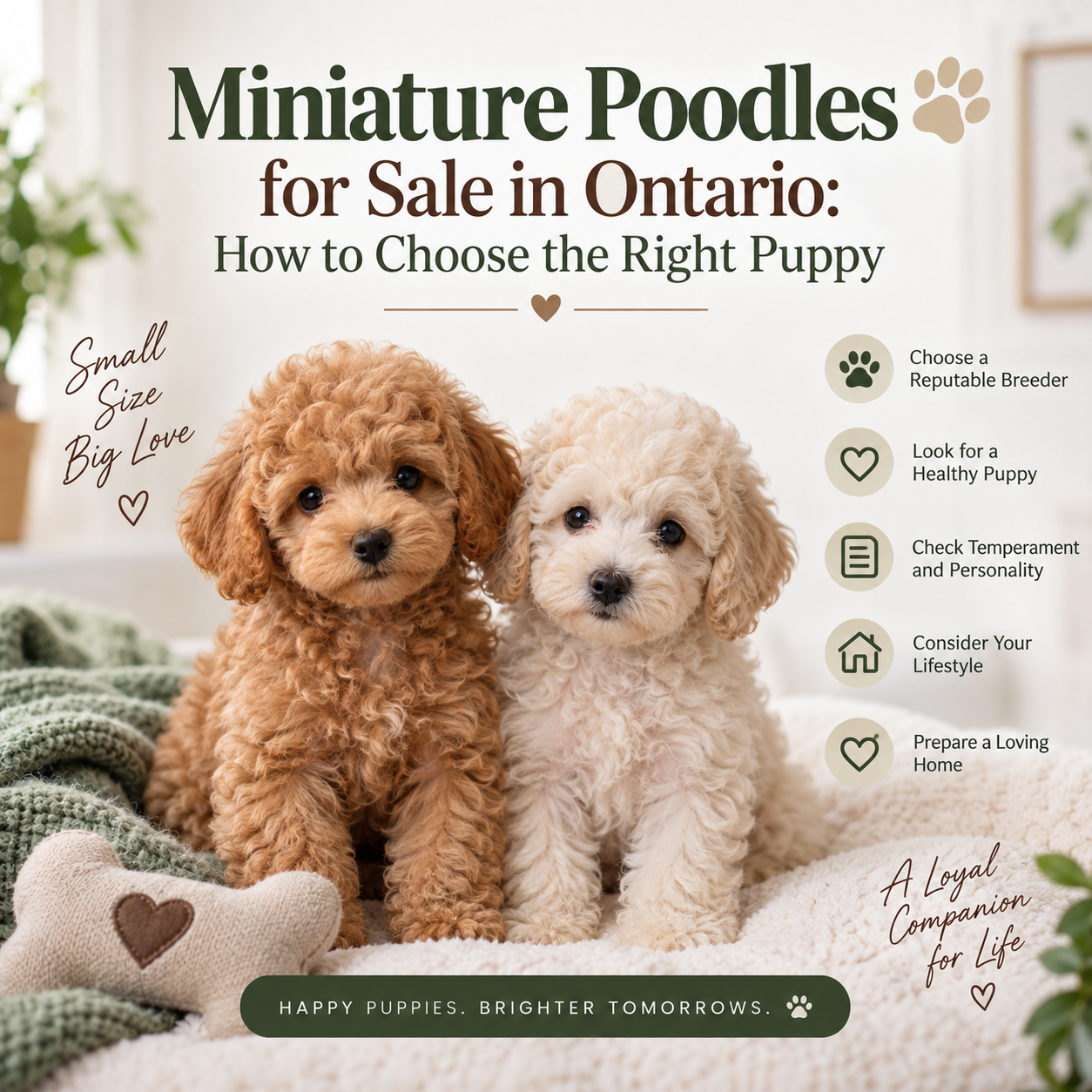
A trustworthy Bichon Frise breeder will be upfront and transparent about a few key things:
Health Testing and Guarantees. Responsible breeders carefully select breeding pairs to avoid hereditary health issues and typically offer a written health guarantee — often covering the first year for genetic defects. This isn’t a marketing add-on; it’s a sign the breeder stands behind the health of their puppies.
Living Conditions. Puppies should be raised in a spacious, comfortable environment, not a cramped kennel out back. Ask to see where the litters live day to day.
Early Socialization. This is a big one. Puppies exposed early to different sights, sounds, people, and gentle experiences grow into more confident, well-adjusted adult dogs. Ask what kind of socialization program the breeder runs before puppies go home — some even offer events like meet-and-greets or supervised playtime with other dogs.
Nutrition and Medical Care. From proper feeding schedules to routine vet checks, the day-to-day care a breeder provides tells you a lot about how seriously they take the wellbeing of their dogs — not just the puppies they’re selling.
Questions to Ask Before You Reserve a Puppy
When you’re evaluating Bichon Frise breeders in Ontario, don’t be shy about asking direct questions:
- Can I meet both parent dogs?
- What health testing has been done, and can I see documentation?
- What does your socialization process look like?
- Do you offer a health guarantee, and what does it cover?
- What happens if my circumstances change down the road — is there a return policy?
A breeder who answers these clearly and without hesitation is one worth trusting.
What to Expect Once You’ve Chosen a Breeder
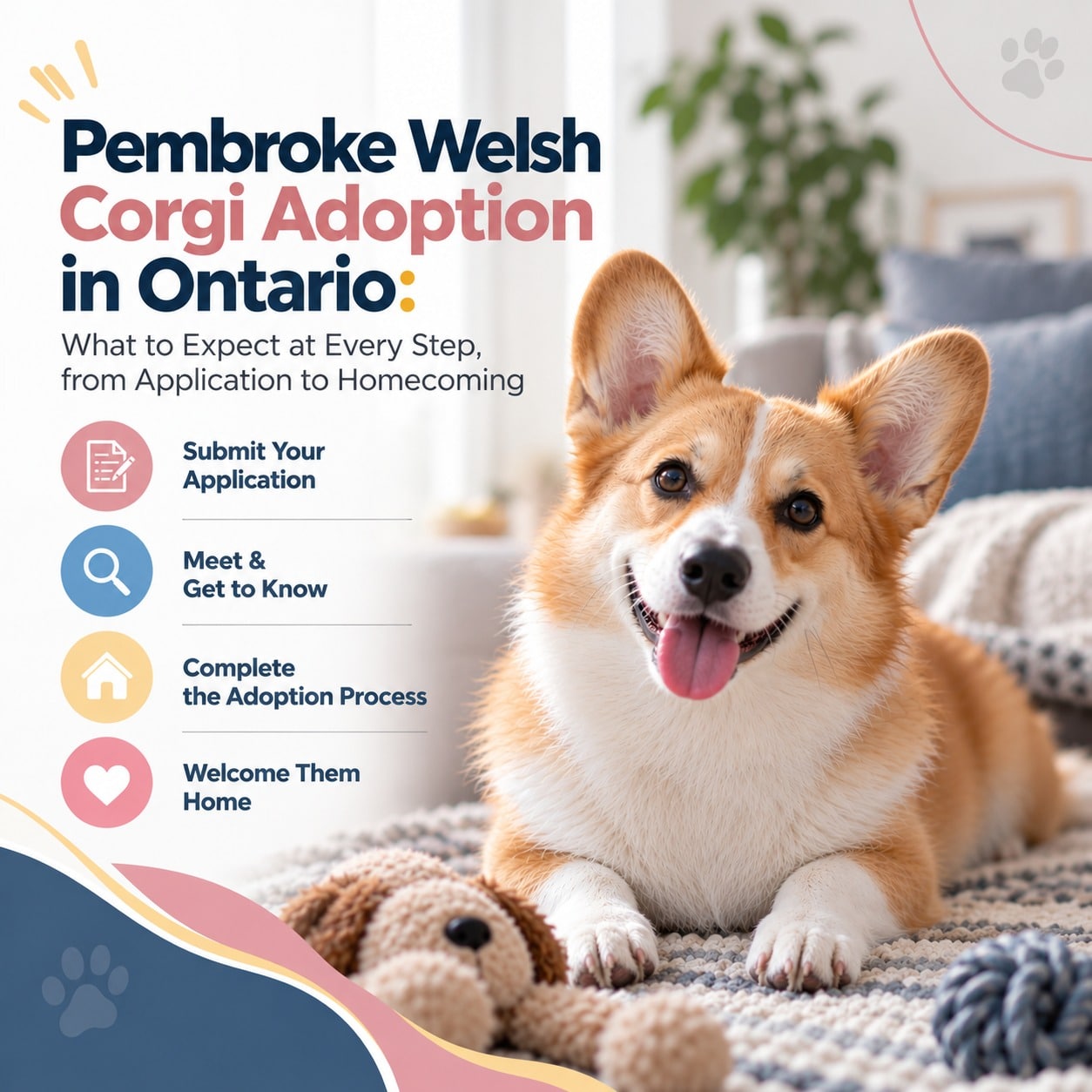
Once you’ve found a breeder that checks these boxes, the process typically moves through a few familiar stages: browsing current or upcoming litters, submitting an application, visiting the facility to meet the team and the puppy’s parents, and receiving regular updates and photos as your pup grows. Good breeders stay in touch even after you bring your puppy home — offering guidance, answering questions, and standing by their health guarantee.
That kind of lifelong support is really the difference between a breeder and someone just selling puppies. A responsible kennel treats every placement as a long-term relationship, not a one-time transaction — which also means your puppy never ends up back in a shelter if life throws you a curveball.
Final Thoughts
Finding Bichon Frise breeders in Ontario isn’t hard — Google will give you dozens of results. Finding a responsible one takes a bit more digging. Focus on transparency, health testing, early socialization, and genuine long-term support, and you’ll set yourself — and your future pup — up for a much better start together.
FAQ (for FAQ Schema)
Are Bichon Frises good for people with allergies?
Yes, Bichon Frises are considered hypoallergenic, making them a popular choice for allergy sufferers looking for a companion dog.
What health testing should a Bichon Frise breeder do?
Look for breeders who screen breeding pairs for hereditary conditions and offer a written health guarantee, typically covering genetic defects for the first year.
Should I be able to visit the breeder before adopting?
Yes. Responsible breeders welcome visits to meet the puppy’s parents and see the living conditions firsthand.