
Finding a Miniature Poodle puppy is exciting, especially when you have already decided that this breed could be a good fit for your family. But once you start seeing different puppies, breeders, photos, and listings, the decision can become surprisingly difficult. How do you know which puppy is right for your home?
The answer is not simply choosing the smallest, cutest, or most active puppy. A better approach is to look at the puppy, the environment where it has been raised, the information provided by the breeder, and how all of that matches your family. If you are researching Miniature Poodles for Sale in Ontario, taking time to understand these factors can help you make a more confident and informed choice.
Understand What You Are Looking For
Before contacting a breeder, think about what you want from your future dog. Do you have children? Do you live in an apartment, townhouse, or detached home? How much time can you spend walking, playing, training, and grooming your puppy?
Miniature Poodles can suit different types of households, but every dog has its own personality. Some puppies may be naturally outgoing, while others may be calmer or more cautious. Therefore, it is helpful to discuss your lifestyle with a knowledgeable breeder who can explain each puppy’s developing temperament.
When searching for miniature poodle dogs for sale, avoid making your decision based only on colour, appearance, or availability. A good match should consider both the puppy and the family bringing it home.
Look At Health First
A healthy puppy should be your first priority. Responsible breeders pay attention to the health of their adult dogs and provide appropriate veterinary care for puppies.
Ask about the parents’ health history and any recommended breed-related health screening. You should also ask which vaccinations, deworming treatments, veterinary examinations, and records will be provided before the puppy goes home.
A responsible breeder should be comfortable answering reasonable health questions. They should also explain what care the puppy has received and what you should continue after bringing it home.
Remember that no breeder can promise that a dog will never experience a health problem. The goal is to make informed decisions based on responsible breeding practices, veterinary care, and transparent information.
Pay Attention To Temperament
A puppy’s personality matters just as much as its appearance. While breed characteristics can give you a general idea of what to expect, individual puppies can still behave differently.
Watch how puppies interact with people and their surroundings. A healthy, well-socialized puppy should have opportunities to experience normal household sounds, gentle handling, different people, and age-appropriate environments.
Ask the breeder how each puppy behaves during everyday interactions. If your family is active, you may want a puppy that enjoys engagement and play. If your home is quieter, a calmer personality might feel more natural.
The right temperament can make the transition into your home easier for both you and your puppy.
Consider Early Socialization And Care
The first weeks of a puppy’s life are important for development. Good early experiences can help puppies become more comfortable with people, handling, sounds, and everyday routines.
Ask what socialization activities the puppies have experienced. Simple experiences such as being gently handled, hearing normal household sounds, and interacting appropriately with people can help prepare puppies for life with their new families.
Families looking at miniature poodle puppies should also ask about feeding schedules, sleep routines, toilet-training progress, and the type of food the puppy currently eats. Having this information makes the first few days at home much smoother.
Once your puppy arrives, continue socialization gradually and positively. Avoid overwhelming the puppy with too many new experiences at once.
Think About Your Home And Family
Your home does not need to be enormous for a Miniature Poodle, but your daily routine should provide enough opportunities for movement, play, training, and companionship.
Apartment and townhouse families can potentially provide a comfortable environment when they maintain a consistent exercise and enrichment routine. A house with a yard can offer additional play space, but a yard does not replace walks or interaction.
Families with children should also think about safety and supervision. Teach children to approach the puppy calmly and respect its sleeping, eating, and resting time. Puppies need breaks throughout the day, even when they are eager to play.
For many households, the most important question is not simply how much space they have, but whether they can consistently meet the dog’s needs.
Prepare For Grooming And Exercise
Poodles have curly coats that require regular maintenance. Brushing helps prevent tangles, while professional grooming may be needed to keep the coat manageable and comfortable.
Make grooming part of your puppy’s routine from an early age. Gentle handling of the paws, ears, face, and coat can help your dog become more comfortable with future grooming sessions.
Exercise is another important consideration. Miniature Poodles benefit from daily physical activity as well as mental stimulation. Walks, interactive games, basic training, and age-appropriate activities can help keep a growing puppy engaged.
Avoid pushing a young puppy into strenuous exercise. Its activity should be suitable for its age and development.
Ontario-Specific Considerations
Ontario families experience changing weather throughout the year, so puppy preparation should include all seasons. Winter can bring snow, ice, and very cold conditions, while spring and autumn may mean wet or muddy walks.
During colder weather, outdoor time should be adjusted according to conditions and the individual dog’s tolerance. Indoor training and enrichment can be useful when weather makes longer outdoor activities impractical.
Summer also requires planning. Fresh water, shade, and sensible exercise times are important during hot weather. Your veterinarian can provide guidance based on your puppy’s age, health, and individual needs.
If you are researching poodle puppies in Ontario, also consider how far you are travelling to meet a breeder. A local option may make follow-up communication easier, but location should never be more important than responsible care and transparency.
Ask The Breeder The Right Questions
A good breeder should welcome questions. Before choosing a puppy, ask:
- Can I learn about the puppy’s parents and health history?
- What veterinary care has the puppy received?
- What socialization has the puppy experienced?
- What food and routine is the puppy currently following?
- What records will I receive?
- What support is available after the puppy goes home?
- Can you explain the puppy’s current temperament and personality?
Pay attention not only to the answers but also to how openly they are provided. A responsible breeder should be interested in your household too. They may ask about your experience with dogs, family situation, daily routine, and expectations.
For families comparing miniature poodle breeders Ontario has to offer, this two-way conversation can be an important part of finding a suitable match.
Maple Haven Kennel is one example of a kennel that presents a family-focused approach to raising puppies, but families should still do their own research and ask detailed questions before making a decision.
Red Flags Buyers Should Watch For
Be cautious when a seller avoids basic questions about health, veterinary care, or the puppy’s background. Pressure to make a quick payment can also be a warning sign.
Other concerns may include unclear health records, unwillingness to provide basic information, poor living conditions, or promises that sound too good to be true. Extremely limited information about the puppy or its parents should also encourage you to slow down and investigate further.
Do not feel pressured to choose a puppy simply because it is available immediately. Responsible puppy ownership is a long-term commitment, so taking extra time before deciding is worthwhile.
Final Tips Before Bringing Your Puppy Home
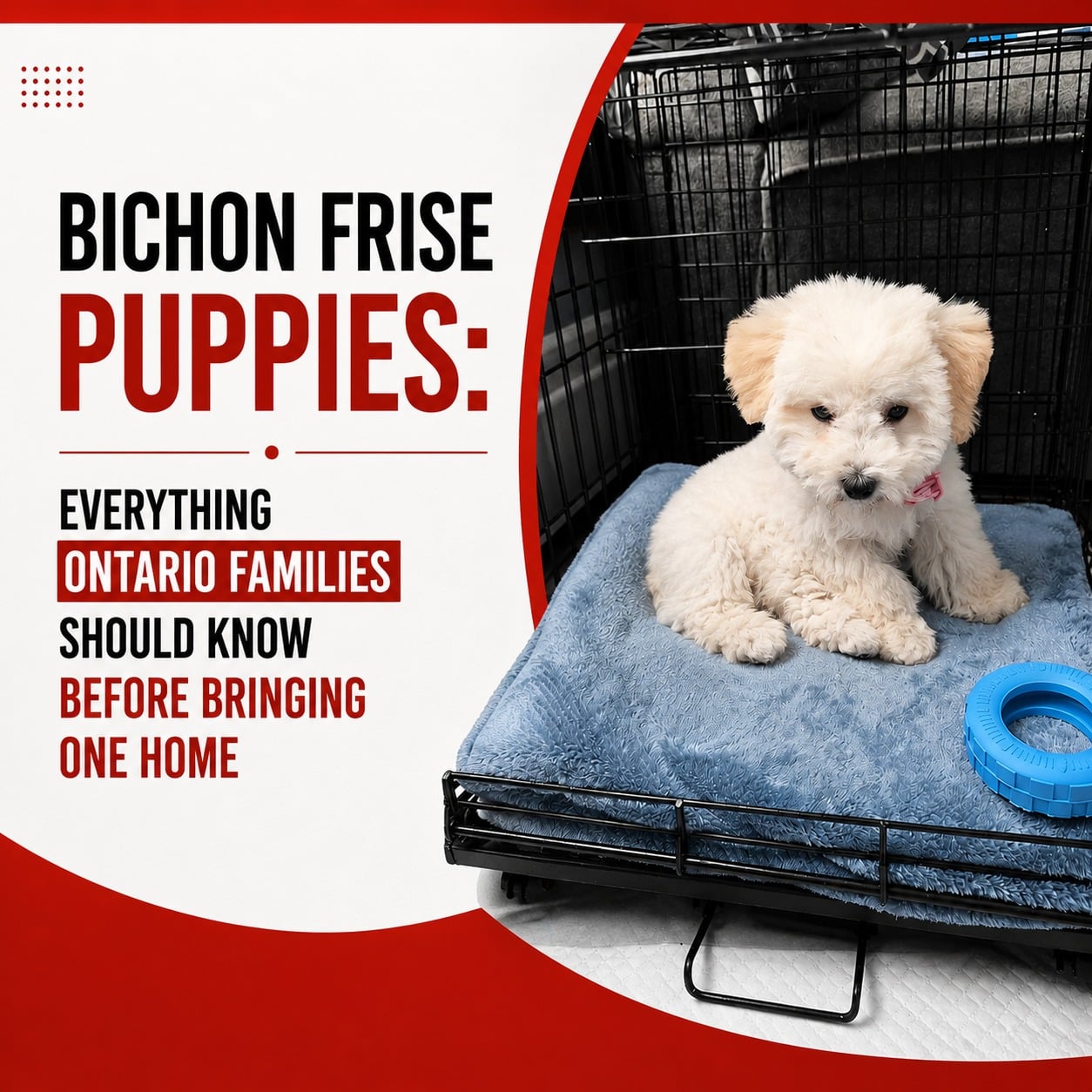
Once you find a puppy that seems like a good fit, prepare your home before the pickup day. Set up a comfortable sleeping area, food and water bowls, safe toys, grooming supplies, and puppy-proof spaces.
Plan the first few days carefully. Your puppy will be leaving a familiar environment, so keeping the routine calm and predictable can help with the adjustment.
Whether you are researching miniature poodles Ontario families recommend or comparing different breeders, focus on health, temperament, responsible care, and lifestyle compatibility. A puppy should be chosen because it is a good fit for your family, not simply because it looks cute or is available at the right price.
Conclusion
Finding the right Miniature Poodle puppy takes patience and careful research. Look beyond appearance and consider health history, temperament, socialization, grooming, exercise, and the environment in which the puppy was raised.
Most importantly, choose a responsible source that communicates openly and cares about where its puppies are going. With thoughtful preparation and realistic expectations, bringing a puppy into your Ontario home can be the beginning of a wonderful long-term relationship.
FAQs
1. What Should I Look For In A Healthy Miniature Poodle Puppy?
Look for appropriate veterinary care, clear health records, good general condition, and a breeder who openly discusses the puppy’s background and care.
2. Is A Miniature Poodle Suitable For An Apartment?
Yes, a Miniature Poodle can adapt to apartment living when the family provides regular exercise, mental stimulation, training, and companionship.
3. How Can I Tell If A Puppy Has Been Well Socialized?
Ask the breeder about the puppy’s experiences with people, handling, household sounds, and age-appropriate activities. Observe how the puppy responds to normal interaction.
4. What Should I Prepare Before Bringing A Poodle Puppy Home?
Prepare food, water bowls, bedding, safe toys, grooming supplies, a secure sleeping area, and a puppy-proofed space before bringing your new companion home.
5. How Do I Choose Between Different Puppies?
Consider temperament, health information, your family’s lifestyle, and the breeder’s guidance. The most suitable puppy is the one whose needs and personality fit your household.